Making Composite Filament With Carbon Fibre, Glass Fibre and Other Fillers
How fillers and reinforcements are blended into filament, what each one is used for, and what to watch for when you develop your own composite formulation.
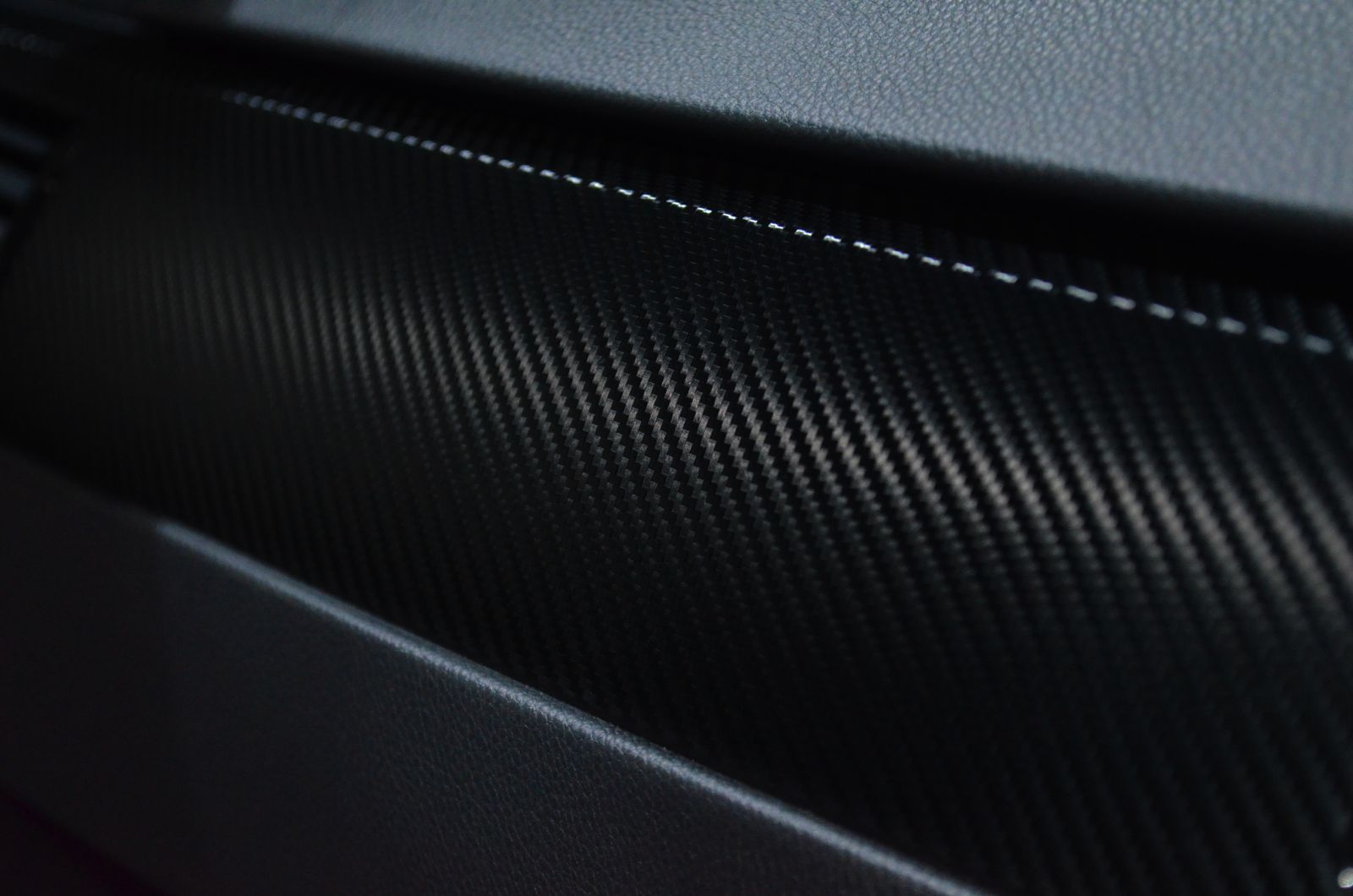
Composite filament is made by blending a filler or reinforcement into a base thermoplastic as it is extruded. The extruder's mixing zone distributes the filler evenly through the melt. ASTER-C supports carbon fibre, glass fibre, metal powders, natural fibres, additives, colourants and surfactants in an extrusion-grade thermoplastic base.
Key takeaways
- A composite is a base polymer plus a filler, blended in the screw's mixing zone.
- Each filler changes something different: stiffness, density, conductivity, appearance.
- Even dispersion is what separates a good composite from a weak one.
- Fibre-filled filaments are abrasive, so print them with a wear-resistant nozzle.
- Change one variable at a time and log every run.
A composite filament is a base thermoplastic with something else blended into it: a fibre, a powder or an additive that changes how the material behaves. Commercial composites come in a handful of fixed recipes. Making your own lets you choose the base, the filler and the ratio.
What each filler is for
ASTER-C’s specification sheet lists the following as compatible, each blended into a base polymer by the screw’s mixing zone:
| Filler | Typical purpose |
|---|---|
| Carbon fibre | Reinforcement |
| Glass fibre | Reinforcement |
| Metal powders | Density, conductivity |
| Natural fibres | Bio-loaded blends |
| Additives | Flow and stability |
| Colourants | Pigment |
| Surfactants | Surface and dispersion |
Reprocessed scrap can be part of a formulation too, provided it is the same base polymer.
Why mixing matters
The hardest part of a composite is not adding the filler. It is getting it evenly distributed. Clumps of filler create weak points and inconsistent diameter; dry patches leave sections with no benefit at all.
ASTER-C’s screw runs through four zones, feeding, compression, metering and mixing, and the mixing zone is what makes composite blends work. Screw speed (0–100 RPM) and temperature in each zone both affect how well the filler disperses.
Developing a formulation
Treat it as an experiment:
- Start from a known base. Use an extrusion-grade thermoplastic you have already run successfully on its own.
- Start with a low filler loading and increase it in steps.
- Change one variable at a time: filler amount, temperature or screw speed, not all three.
- Log every run. ASTER-C writes each run to CSV from the PC interface, so you can compare settings against results.
- Test the printed part, not just the filament. Stiffness, strength and finish only show up in use.
Because ASTER-C makes small batches, you can test a formulation without ordering a production quantity from a compounder.
Printing composite filament
Fibre and powder filled filaments are abrasive. They can wear a standard brass nozzle quickly, changing its diameter and your print quality. Use a hardened or wear-resistant nozzle for composites.
What not to use
The base must be an extrusion-grade, non-corrosive thermoplastic. Thermosets and PVC are not compatible with ASTER-C and are not covered by the warranty.
Frequently asked questions
Can I make carbon fibre filament myself?
Yes, with an extruder that can mix fillers into the melt. ASTER-C's screw has a dedicated mixing zone, and carbon fibre is one of the reinforcements it supports.
What fillers can be added to filament on ASTER-C?
Carbon fibre, glass fibre, metal powders, natural fibres, additives, colourants and surfactants, blended into an extrusion-grade, non-corrosive thermoplastic.
Do composite filaments need a special nozzle?
Fibre and powder filled filaments are abrasive and can wear standard brass nozzles quickly. A hardened or wear-resistant nozzle is recommended.
How much filler should I add?
It depends on the filler, the base polymer and what you want the material to do. Start low, change one variable at a time, and test each batch.