
Notes From The Bench
Practical guides on making your own filament: how extrusion works, composite materials, diameter control and reprocessing scrap.
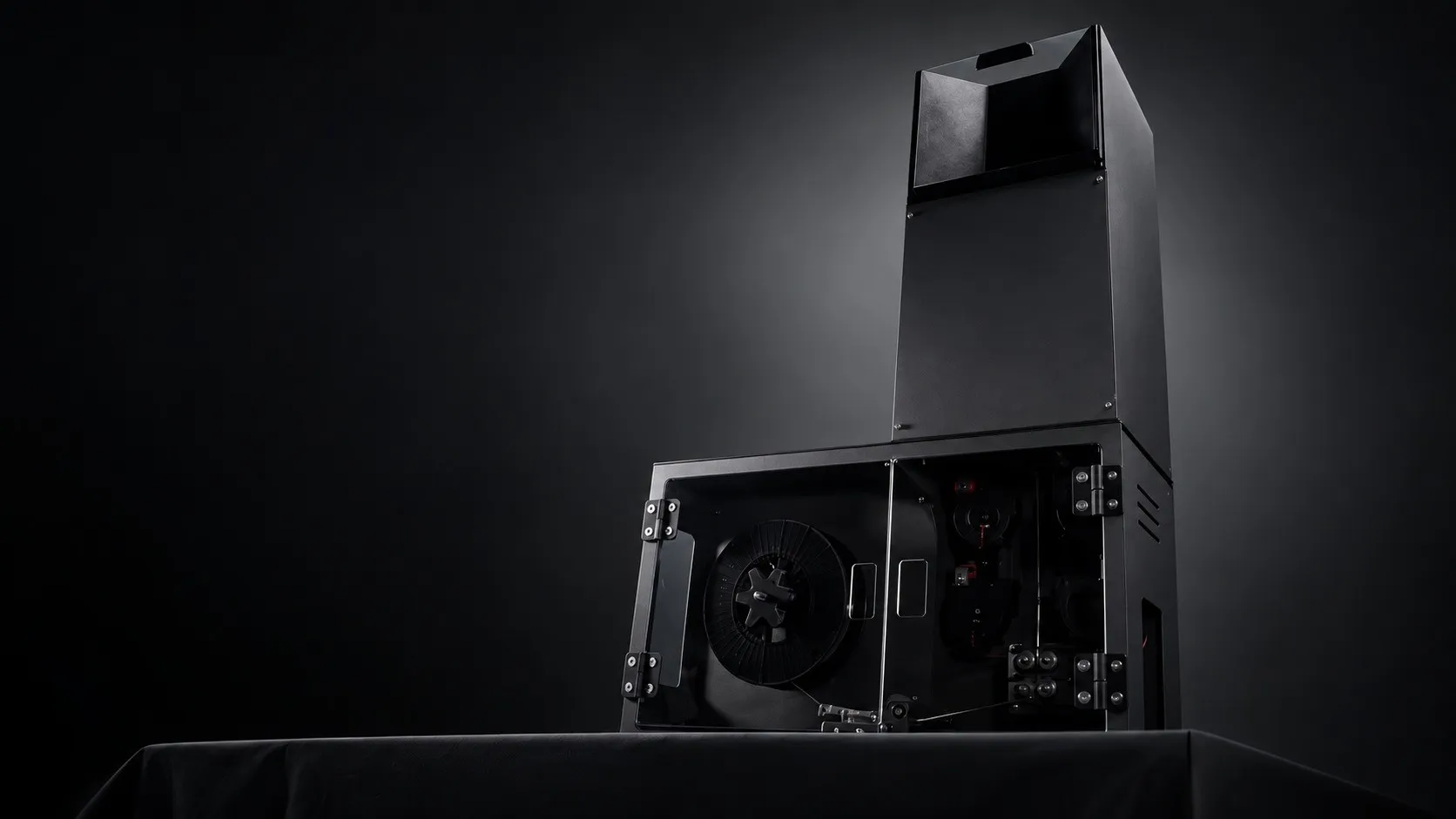
How a Benchtop Filament Extruder Works, From Pellets to Spool
Short answer: A filament extruder feeds thermoplastic pellets into a heated barrel, where a rotating screw melts, compresses and mixes them. The melt is pushed out through a die, cooled by air, measured for diameter and wound onto a spool. ASTER-C does all four stages in one benchtop cabinet, up to 450°C.
 Materials
Making Composite Filament With Carbon Fibre, Glass Fibre and Other Fillers
How fillers and reinforcements are blended into filament, what each one is used for, and what to watch for when you develop your own composite formulation.
 Extrusion
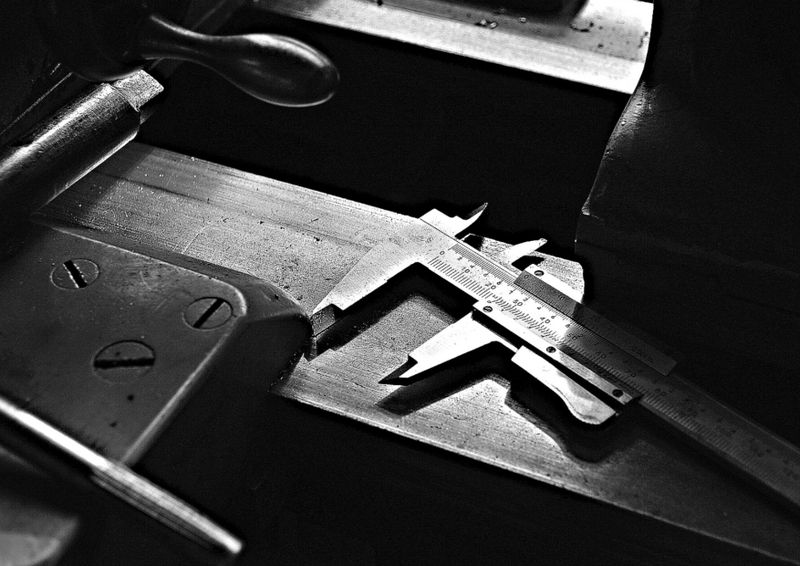
Filament Diameter Tolerance Explained, and Why ±50 µm Matters
Why small changes in filament diameter cause under- and over-extrusion, how diameter is measured and controlled, and how to choose a diameter for your printer.
 Recycling
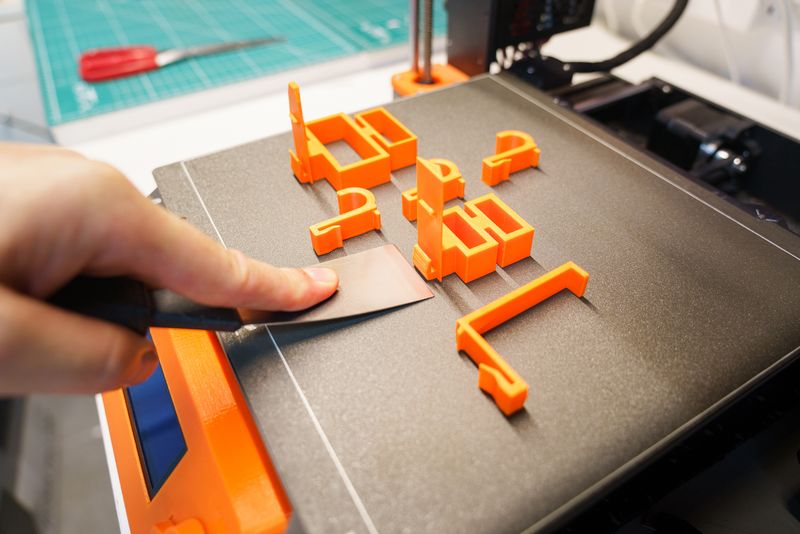
How to Make Filament From Recycled 3D Print Waste
Turning failed prints, supports and process scrap back into usable filament. What to sort, how to prepare it, and what to expect from recycled feedstock.
 Materials
Which Plastics Can't Be Made Into Filament? Thermosets and PVC Explained
Why thermosets and PVC should never go into a filament extruder, what happens if they do, and how to tell which materials are safe to run.
Quick Answers
- Making Composite Filament With Carbon Fibre, Glass Fibre and Other Fillers
- Composite filament is made by blending a filler or reinforcement into a base thermoplastic as it is extruded. The extruder's mixing zone distributes the filler evenly through the melt. ASTER-C supports carbon fibre, glass fibre, metal powders, natural fibres, additives, colourants and surfactants in an extrusion-grade thermoplastic base.
- Filament Diameter Tolerance Explained, and Why ±50 µm Matters
- A 3D printer pushes filament by length and assumes a fixed diameter, so any change in diameter changes how much plastic is deposited. On 1.75 mm filament, a ±0.05 mm variation changes the cross-section by roughly ±6%. ASTER-C measures the pulled strand with a Hall-effect sensor and holds diameter to ±50 µm.
- How a Benchtop Filament Extruder Works, From Pellets to Spool
- A filament extruder feeds thermoplastic pellets into a heated barrel, where a rotating screw melts, compresses and mixes them. The melt is pushed out through a die, cooled by air, measured for diameter and wound onto a spool. ASTER-C does all four stages in one benchtop cabinet, up to 450°C.
- How to Make Filament From Recycled 3D Print Waste
- To make filament from 3D print waste, sort the scrap by polymer type, clean it, reduce it to small, even pieces and dry it if the polymer absorbs moisture. Then extrude it like virgin pellets, measuring diameter as it is spooled. Expect some loss of properties each time a polymer is reprocessed.
- Which Plastics Can't Be Made Into Filament? Thermosets and PVC Explained
- Thermosets and PVC should not be run through a filament extruder. Thermosets cure irreversibly and will not re-melt, so they pack cured material into the barrel. PVC releases corrosive decomposition products at extrusion temperature that attack the screw and barrel. ASTER-C runs extrusion-grade, non-corrosive thermoplastics only.